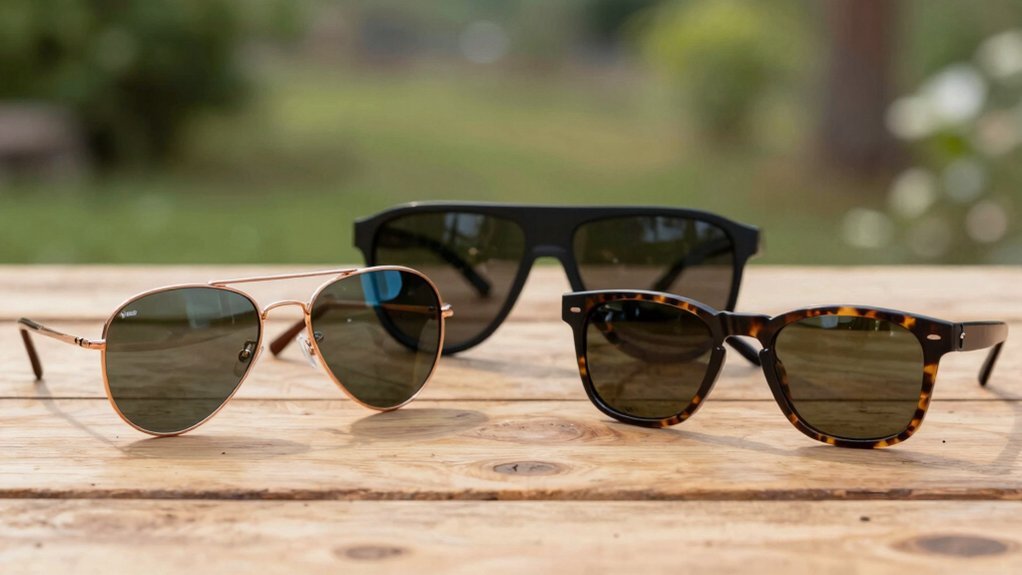
When you’re tracking birds in bright sunlight, standard sunglasses won’t cut it. You need polarized lenses that eliminate glare and reveal the subtle details of plumage that make bird identification possible. But with so many options available, you’re probably wondering which pairs actually deliver the performance you need. We’ve tested three standout models that could transform your birding experience.
| 2 Pack HD Day Night Driving Sunglasses | 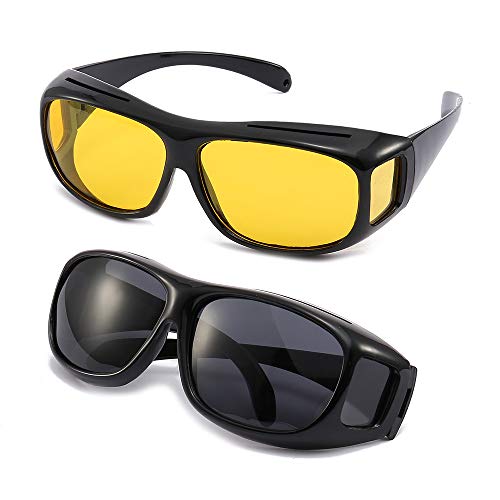 | Best Dual-Purpose | UV Protection: UV400 | Polarization: Anti-glare polarized lenses | Light Adaptation: HD contrast enhancement for day and night conditions | CHECK ON AMAZON | Read Our Analysis |
| YIMI Polarized Photochromic Outdoor Sports Sunglasses |  | Best Adaptive Lens | UV Protection: UV400 (blocks UVA and UVB rays) | Polarization: Polarized lenses reduce glare and haze | Light Adaptation: Photochromic design adapts to sunlight levels | CHECK ON AMAZON | Read Our Analysis |
| SUNGAIT Men’s Polarized Sunglasses Metal Frame UV400 |  | Best Night Vision | UV Protection: UV400 | Polarization: Yellow-tinted polarized lenses | Light Adaptation: Yellow-tint reduces blue light scatter for low-light visibility | CHECK ON AMAZON | Read Our Analysis |
More Details on Our Top Picks
2 Pack HD Day Night Driving Sunglasses
Why compromise on vision quality whether you’re spotting birds at dawn or navigating glare-filled highways at dusk? The 2 Pack HD Day Night Driving Sunglasses deliver sharp vision in any light condition. You’ll experience enhanced contrast that brings out fine details—perfect for identifying bird species in variable lighting. The day lenses cut bright sunlight glare, while night lenses improve visibility through fog and twilight. These fit over your prescription glasses, so you don’t need separate corrective pairs. You’re getting two complete pairs with protective pouches and a cleaning cloth. The polarized technology reduces reflections that obscure wildlife details. Whether dawn birding or dusk driving, you’ll see with clarity and comfort.
- UV Protection:UV400
- Polarization:Anti-glare polarized lenses
- Light Adaptation:HD contrast enhancement for day and night conditions
- Included Accessories:2 pouches, glasses cloth, polarized test card
- Intended Use Cases:Day and night driving in variable lighting
- Frame Type:Fit-over design for wearing over prescription glasses
- Additional Feature:Fits over prescription glasses
- Additional Feature:HD contrast enhancement technology
- Additional Feature:Dual-pair day/night design
YIMI Polarized Photochromic Outdoor Sports Sunglasses
Looking for sunglasses that’ll keep up with your bird-spotting adventures in ever-changing light? YIMI’s Polarized Photochromic sunglasses automatically adjust their lens darkness as sunlight intensity shifts, eliminating the need to swap pairs throughout your day. The UV400 polarized lenses block harmful UVA and UVB rays while reducing glare and haze that obscure wildlife detail. Their ultra-light design won’t fatigue your face during extended wear, and the photochromic technology ensures you’ll maintain crystal-clear vision whether you’re scanning dense forest canopies or open wetlands. You’ll receive the sunglasses, protective case, cleaning cloth, and a polarized test card.
- UV Protection:UV400 (blocks UVA and UVB rays)
- Polarization:Polarized lenses reduce glare and haze
- Light Adaptation:Photochromic design adapts to sunlight levels
- Included Accessories:Glasses box, glasses cloth, polarized test card
- Intended Use Cases:Outdoor activities (cycling, running, fishing, driving)
- Frame Type:Ultra-light construction
- Additional Feature:Auto-adapting photochromic lenses
- Additional Feature:Ultra-light frame construction
- Additional Feature:Multi-sport versatility
SUNGAIT Men’s Polarized Sunglasses Metal Frame UV400
If you’re bird spotting in variable lighting conditions, you’ll appreciate how SUNGAIT’s yellow-tinted lenses enhance contrast by reducing atmospheric blue light scatter. These polarized glasses excel in low-light environments, allowing over 75% light transmission so you won’t miss subtle movements among foliage. The metal frame provides durability during outdoor excursions, while UV400 protection safeguards your eyes during extended sessions. At just 25 grams, they’re lightweight for all-day comfort. The thoughtfully sized lenses—65mm width and 40mm height—offer adequate coverage without obstruction. SUNGAIT backs their product with 24-hour Amazon support, giving you confidence in your investment for serious bird-watching adventures.
- UV Protection:UV400
- Polarization:Yellow-tinted polarized lenses
- Light Adaptation:Yellow-tint reduces blue light scatter for low-light visibility
- Included Accessories:Exquisite package with 24-hour support
- Intended Use Cases:Driving, fishing, golf, night driving
- Frame Type:Metal frame (25g weight)
- Additional Feature:Yellow-tinted night vision lenses
- Additional Feature:Metal frame construction
- Additional Feature:>75% light transmission rate
Factors to Consider When Choosing Polarized Sunglasses for Reducing Glare While Spotting Birds
When you’re selecting polarized sunglasses for bird spotting, you’ll want to prioritize UV protection standards and lens color, as these factors directly affect both your eye safety and your ability to spot birds in various lighting conditions. Polarization technology reduces water glare effectively, but you shouldn’t overlook fit and comfort—poorly fitting glasses will distract you during extended birdwatching sessions. Finally, consider how contrast enhancement helps you distinguish fine details like plumage patterns and bird movements that you’d otherwise miss.
UV Protection Standards Matter
You’ll often overlook one critical factor when selecting polarized sunglasses for bird spotting: UV protection standards. Look for UV400-rated lenses that block nearly 100% of UV-A and UV-B rays up to 400 nm, protecting your eyes from long-term exposure risks like photokeratitis and cataracts.
Verify that your sunglasses meet tested certifications such as ANSI Z80.3 or EU CE standards, ensuring consistent UV protection across lens quality. These certifications guarantee you’re getting genuine protection rather than relying on marketing claims alone.
Higher UV protection reduces glare-induced squinting, enabling clearer long-distance bird spotting without ocular fatigue. When you invest in properly certified UV400 lenses, you’re safeguarding your vision for years of outdoor birding enjoyment.
Lens Color Impact Vision
The color of your polarized lenses fundamentally shapes how you perceive birds and their environment. Yellow and amber tints excel in low-light or hazy conditions, enhancing contrast so you’ll spot silhouettes against sky and foliage more easily. Gray or neutral lenses preserve true color balance, allowing you to recognize natural bird plumage without distortion—critical when identifying species by subtle coloring. Green lenses boost contrast in leafy settings, helping you distinguish birds from green backgrounds, though they may shift certain hues. Blue-blocking polarized lenses reduce glare from water and open skies, revealing birds at distances where glare previously obscured details. Choose your lens color based on your typical birding habitat and lighting conditions for optimal visibility.
Polarization Reduces Water Glare
Beyond selecting the right lens color, you’ll want to understand how polarization tackles one of bird-watching’s biggest obstacles: water glare. Polarized lenses block horizontal light waves that reflect off water surfaces, dramatically reducing glare. This enhanced clarity lets you spot birds near shorelines with greater detail, revealing plumage patterns and subtle movements you’d otherwise miss.
The reduction in surface brightness also decreases eye strain during extended sessions around lakes and rivers. However, polarization effectiveness varies with sun angle—you’ll experience maximum glare reduction when sunlight reflects at shallow angles off the water. Keep in mind that some polarization filters may cause slight color shifts or darkening, so ensure you maintain adequate visibility when spotting birds beneath reflective surfaces.
Fit Comfort During Birdwatching
How well your sunglasses stay put while you’re tracking fast-moving birds matters just as much as their optical quality. You’ll want frames with wrap-style designs or secure temple grips that prevent slippage during active movement and elevation changes.
Lightweight frames with adjustable nose pads reduce pressure on your bridge during extended sessions, preventing discomfort that distracts from birdwatching. Position frames below your eyes to preserve peripheral vision—critical for spotting birds entering your field of view unexpectedly.
Anti-slip temple tips and rubberized grips maintain stability when you’re sweating or navigating challenging terrain. A snug yet comfortable fit keeps your sunglasses secure without causing tension. This balanced approach ensures your eyewear performs reliably throughout your birdwatching adventure, letting you focus entirely on identifying species rather than adjusting frames constantly.
Contrast Enhancement For Detail
Spotting distant or camouflaged birds hinges on your sunglasses’ ability to enhance contrast and reveal fine details you’d otherwise miss. When you’re scanning foliage or water, polarized lenses minimize reflections that obscure your target, letting you separate birds from their backgrounds more effectively.
Consider amber or yellow-tinted lenses—they boost contour detection against complex environments like dense trees or rippling water. These contrast-enhancing tints sharpen the definition between bird and backdrop, making identification easier.
Pair this with high-quality optics that eliminate distortion, and you’ll preserve true colors and subtle plumage patterns. UV400 protection reduces eye strain during extended sessions, maintaining your contrast perception throughout the day. Superior lens consistency ensures polarization works uniformly across your entire field of view, delivering the clarity serious birders demand.
Lightweight Design For Extended Wear
Why do your sunglasses feel heavier as the hours pass? Lightweight frames prevent the fatigue that weighs you down during marathon bird-watching sessions. When you choose ultra-light sunglasses, you’ll maintain natural head positioning, which sharpens your ability to scan skies and treelines for distant birds. Your neck and nose won’t experience strain, allowing you to focus entirely on spotting wildlife rather than discomfort.
Premium materials like high-grade polymers and magnesium alloys deliver durability without excess weight. Balanced weight distribution across your temples and nose pads ensures all-day comfort, even when conditions shift throughout your outing. You’ll find that lighter models reduce pressure points, enabling you to wear them comfortably from dawn through dusk without repositioning them constantly.
Photochromic Adaptation To Changing Light
When you’re tracking birds across shifting shadows and open skies, photochromic lenses automatically darken in bright sunlight and lighten as clouds roll in or you move into shaded areas. This adaptation happens faster in warmer conditions, ensuring you won’t miss critical moments as lighting changes.
However, you should know that photochromic transitions can slightly reduce depth perception and color accuracy during the adjustment period, which matters when spotting distant birds. Choose lenses that maintain strong blue and violet wavelength filtering to preserve contrast and natural color cues essential for bird identification.
Quality photochromic sunglasses balance convenience with performance, eliminating the need to swap eyewear while keeping your vision sharp throughout varied lighting conditions you’ll encounter during extended bird-watching sessions.
Frequently Asked Questions
How Do Polarized Lenses Affect Bird Color Perception and Plumage Detail Visibility?
You’ll notice polarized lenses reduce glare, sharpening plumage details and color contrasts. They’ll enhance blues, reds, and iridescent feathers by cutting reflected light, letting you discern subtle markings and patterns you’d otherwise miss while bird spotting.
What’s the Difference Between Polarized and Non-Polarized Sunglasses for Bird Watching?
You’ll see sharper plumage details and reduced glare with polarized lenses, making bird identification easier. Non-polarized sunglasses won’t cut water reflections, so you’ll miss subtle color variations that help you spot and distinguish different species.
Can Polarized Sunglasses Be Worn Over Prescription Eyeglasses for Bird Spotting?
You can wear polarized sunglasses over prescription glasses, though they’re uncomfortable for extended bird spotting. You’d benefit more from prescription polarized lenses or clip-on polarized attachments designed specifically for your eyeglasses.
How Often Should Polarized Lenses Be Replaced for Optimal Bird Spotting Performance?
You should replace your polarized lenses every two to three years for optimal bird spotting performance. UV damage and coating degradation reduce their effectiveness over time, compromising your ability to spot birds clearly.
Do Polarized Sunglasses Work Effectively in All Weather Conditions for Bird Watching?
You’ll find polarized sunglasses work best in bright conditions, but they’re less effective on overcast days. You should avoid them near water reflections, as they can eliminate the glare you need for spotting birds.