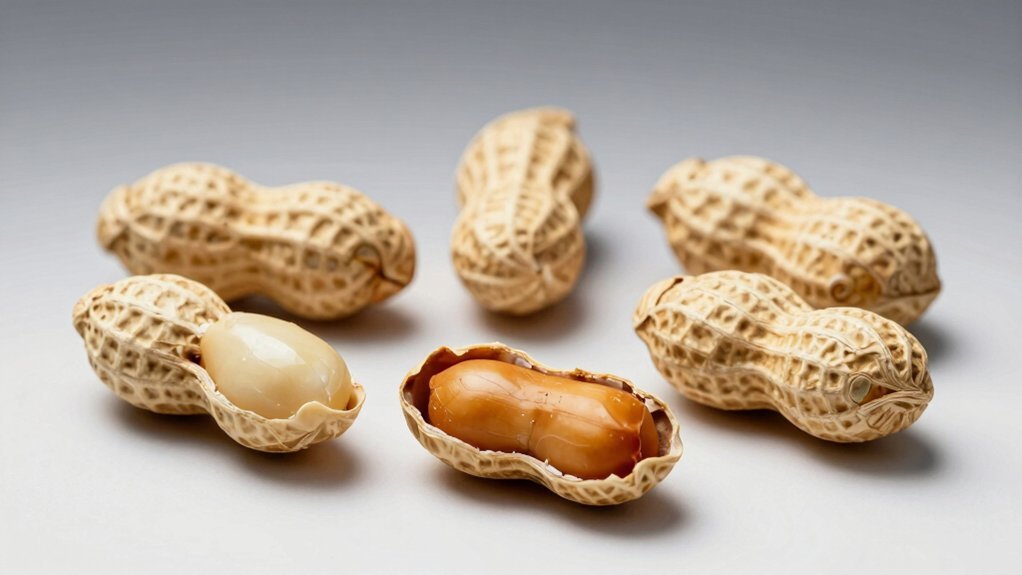
You’ve likely noticed that not all shelled peanuts are created equal. Whether you’re feeding backyard wildlife or stocking up for the season, you’ll want to know which options deliver the best quality and value. We’ve tested the top contenders to help you make an informed choice. The differences might surprise you.
| Kaytee Shelled Peanuts for Wild Birds (11 lbs) |  | Best Overall | Package Size: 11 pounds | Shell Status: Shelled | Origin/Sourcing: Not specified | CHECK ON AMAZON | Read More |
| Naturalee Plain In Shell Peanuts 2 lbs Raw |  | Best for Humans | Package Size: 2 pounds | Shell Status: In shell | Origin/Sourcing: USA grown | CHECK ON AMAZON | Read More |
| Old Potters Wildlife Shelled Peanuts 10 lbs |  | Best Organic Option | Package Size: 10 pounds | Shell Status: Shelled | Origin/Sourcing: USA small farms, Non-GMO, Organic | CHECK ON AMAZON | Read More |
| TRAILMARK NATURALS Raw Shelled Peanuts for Squirrels |  | Best Bulk Value | Package Size: 11 pounds | Shell Status: Shelled | Origin/Sourcing: USA grown, no chemicals/fillers | CHECK ON AMAZON | Read More |
| Kaytee Whole Peanuts in Shell for Wild Birds (2-Pack) |  | Best in Shell | Package Size: 10 pounds (two 5 lb bags) | Shell Status: Whole in shell | Origin/Sourcing: Not specified | CHECK ON AMAZON | Read More |
More Details on Our Top Picks
Kaytee Shelled Peanuts for Wild Birds (11 lbs)
If you’re tired of cleaning up peanut shells scattered across your patio, Kaytee’s shelled peanuts deliver the high-energy food that attracts cardinals, woodpeckers, and jays without the mess. This 11-pound bag contains 100% edible kernels packed with fat and protein to promote bird health and growth. You’ll notice nuthatches, towhees, and indigo buntings flocking to your feeders. The shelled format means minimal lawn debris while maximizing nutritional benefits. Simply fill hopper, tube, or platform feeders and reseal the bag in a cool, dry place. With over 150 years of expertise and 4.5-star ratings from thousands of satisfied customers, you’re investing in proven bird attraction that delivers results.
- Package Size:11 pounds
- Shell Status:Shelled
- Origin/Sourcing:Not specified
- Target Wildlife:Cardinals, woodpeckers, jays, nuthatches, buntings
- Processing Method:Shelled, no hulls
- Customer Rating:4.5/5 stars (5,786 reviews)
- Additional Feature:100% edible, minimal mess
- Additional Feature:150+ years brand trust
- Additional Feature:4.5/5 stars, 5,786 reviews
Naturalee Plain In Shell Peanuts 2 lbs Raw
Looking for a versatile, nutrient-dense snack that checks multiple boxes? Naturalee Plain In Shell Peanuts deliver exactly that. You’ll get two pounds of raw, unsalted peanuts proudly grown by American farmers since 1906. These in-shell peanuts pack high protein and heart-healthy fats, making them ideal whether you’re snacking, cooking, or feeding wildlife. They’re naturally gluten-free and vegan, suiting various dietary preferences. The raw preparation preserves maximum nutritional value without added salt or processing. You can crack them fresh for an authentic experience or share them with squirrels and birds. Naturalee’s commitment to quality standards ensures you’re bringing genuine, wholesome nutrition from their home to yours.
- Package Size:2 pounds
- Shell Status:In shell
- Origin/Sourcing:USA grown
- Target Wildlife:Squirrels and wildlife
- Processing Method:Raw, unsalted
- Customer Rating:Not specified
- Additional Feature:American farmer grown since 1906
- Additional Feature:Gluten-free, vegan snack
- Additional Feature:Dual-use: human/wildlife feed
Old Potters Wildlife Shelled Peanuts 10 lbs
Old Potters Wildlife Shelled Peanuts stand out as the ideal choice for anyone seeking to support local agriculture while feeding backyard wildlife. You’ll appreciate the convenience of pre-shelled peanuts that require zero preparation—just pour and watch birds and squirrels enjoy them immediately. These USA-grown, organic peanuts deliver high-energy protein that supports your backyard visitors’ health and vitality. You’re getting premium quality from small farms with a non-GMO assurance, so you can feel confident about what you’re offering. At ten pounds, you’ll have plenty to sustain your wildlife throughout the season while directly supporting local agriculture growth.
- Package Size:10 pounds
- Shell Status:Shelled
- Origin/Sourcing:USA small farms, Non-GMO, Organic
- Target Wildlife:Birds, squirrels, and wildlife
- Processing Method:Raw, shelled
- Customer Rating:Not specified
- Additional Feature:USA small farm support
- Additional Feature:Non-GMO, organic certified
- Additional Feature:Freshness guaranteed promise
TRAILMARK NATURALS Raw Shelled Peanuts for Squirrels
Need a reliable source of natural wildlife feed that won’t break the bank? TRAILMARK NATURALS Raw Shelled Peanuts deliver premium quality at an accessible price point. You’ll get 11 pounds of unroasted, unsalted peanuts grown right here in the USA—perfect for squirrels, blue jays, woodpeckers, and other backyard visitors. These all-natural kernels contain no chemicals, fillers, or artificial ingredients, making them ideal for conscientious wildlife enthusiasts. The bulk packaging suits feeding stations and regular feeders nicely. With a solid 4.5-star rating from nearly 180 customers and ranking #44 in bird seed, you’re choosing a trusted option that consistently satisfies both you and your feathered and furry friends.
- Package Size:11 pounds
- Shell Status:Shelled
- Origin/Sourcing:USA grown, no chemicals/fillers
- Target Wildlife:Squirrels and birds (jays, woodpeckers)
- Processing Method:Raw, unroasted, unsalted
- Customer Rating:4.5/5 stars (179 reviews)
- Additional Feature:#1 Best Sellers Rank
- Additional Feature:No chemicals/fillers/additives
- Additional Feature:Bulk feeding station ready
Kaytee Whole Peanuts in Shell for Wild Birds (2-Pack)
If you’re looking to attract cardinals, woodpeckers, and jays to your backyard year-round, Kaytee’s whole peanuts in shell deliver the high-energy nutrition these birds crave. This trusted brand, refined over 150 years, offers two 5-pound bags packed with protein and fat—essential fuel for wild birds and small critters like squirrels and chipmunks.
Simply pair these nutritious peanuts with an appropriate feeder to create your backyard oasis. You’ll enjoy consistent wildlife visits while supporting year-round birding activities. Kaytee’s carefully crafted formula, developed by bird enthusiasts, ensures you’re providing quality nutrition that keeps your feathered visitors healthy and engaged throughout every season.
- Package Size:10 pounds (two 5 lb bags)
- Shell Status:Whole in shell
- Origin/Sourcing:Not specified
- Target Wildlife:Cardinals, woodpeckers, jays, squirrels, chipmunks
- Processing Method:Whole, in shell
- Customer Rating:Not specified
- Additional Feature:Two 5-pound bags included
- Additional Feature:150+ years trusted expertise
- Additional Feature:Year-round backyard oasis appeal
Factors to Consider When Choosing Shelled Peanuts
When you’re selecting shelled peanuts, you’ll want to evaluate the nutritional content and verify the source to ensure you’re getting quality products. Consider whether shelled or in-shell options better suit your needs, and confirm the peanuts are compatible with your intended wildlife species. Finally, compare packaging sizes and overall value to find the option that delivers the best bang for your buck.
Nutritional Content & Quality
Why does nutritional value matter so much when you’re selecting shelled peanuts for wildlife? Birds and small mammals depend on concentrated energy sources, especially during migration and winter months. You’ll want peanuts high in fat and protein to support their nutritional needs effectively.
Check for USA-grown, non-GMO, or organic certifications that guarantee quality sourcing standards. These options typically offer superior nutritional integrity compared to conventional alternatives. Verify freshness by examining packaging dates and storage recommendations.
Store your shelled peanuts in cool, dry conditions and reseal containers after opening to prevent nutrient degradation and insect infestation. Proper storage maintains the nutritional value your wildlife visitors require for optimal health and energy levels throughout the year.
Source & Origin Verification
Where your shelled peanuts come from directly impacts their quality and suitability for wildlife feeding. You’ll want to verify that products specify USA-grown peanuts, as domestic sourcing ensures consistent quality standards and supports local agriculture. Check labels for “grown in the USA” or farm-origin details to confirm you’re purchasing authentically American products.
Beyond origin, assess cultivation practices by looking for non-GMO and organic certifications where indicated. These designations reveal whether peanuts underwent responsible farming and processing methods. You should also confirm freshness guarantees and shelf-life claims—reputable suppliers often note “freshness guaranteed for wildlife treat” or provide specific date details.
Shelled vs. In-Shell Options
How you choose between shelled and in-shell peanuts depends on your feeding goals and wildlife preferences. Shelled peanuts offer immediate accessibility, making them ideal for smaller birds and wildlife that lack the strength to crack shells. You’ll appreciate reduced yard debris since there’s no scattered shell material to clean up.
In-shell peanuts present a different advantage: they provide foraging stimulation and extended feeding time, which some species prefer for enrichment. The shells also offer natural protection, potentially extending shelf life, though they require more storage space.
Consider your yard’s cleanliness priority and your target species’ capabilities. If you’re supporting vulnerable or small birds, shelled varieties deliver convenience. If you want to encourage natural foraging behavior in capable species, in-shell options provide that challenge and engagement.
Wildlife Species Compatibility
Which backyard visitors will actually eat your shelled peanuts? Cardinals, blue jays, woodpeckers, nuthatches, and squirrels all love them, but they don’t eat the same way. Shell-cracking birds like woodpeckers and jays interact differently with shelled peanuts than species expecting whole shells. You’ll want to match your feeder setup to your target wildlife.
Consider your visitors’ natural feeding behaviors when selecting peanut products. If you’re targeting squirrels and chipmunks, shelled peanuts work well at ground-level stations. For birds, elevated feeders prevent ground-dwelling mammals from monopolizing the food.
Always choose raw, unsalted peanuts to protect your wildlife’s health. Species-specific feed stations minimize competition and waste while ensuring each visitor gets appropriate nutrition. This thoughtful approach maximizes wildlife enjoyment while supporting their energy and health needs year-round.
Packaging Size & Value
Once you’ve matched your peanut selection to your wildlife visitors, you’ll want to contemplate how packaging size affects your feeding schedule and budget. Shelled peanuts come in sizes ranging from 2 to 11 pounds, each offering distinct advantages. Smaller bags suit casual feeders with limited storage, while multi-pack options like two 5-lb bags provide consistent supply without frequent reordering. Larger bulk sizes reduce cost per pound but demand adequate storage space and careful rotation to maintain freshness. When comparing value, calculate the price per pound across options. Additionally, examine resealability and packaging integrity—quality sealing prevents moisture infiltration and pest contamination, protecting your investment and ensuring optimal nutrition for your wildlife visitors throughout the feeding season.
Storage & Freshness Standards
Why does proper storage matter more than most feeders realize? You’ll extend your peanuts’ shelf life significantly by keeping them in a cool, dry place within sealed containers. This protects against insect infestation and contamination while preventing moisture and heat exposure that accelerate rancidity.
Before refilling feeders, discard old or stale peanuts to maintain quality and reduce mold risk. Regularly clean your feeders to prevent cross-contamination and preserve peanut integrity. Reseal containers after each use to lock in freshness.
When selecting shelled peanuts, prioritize products with clear storage guidelines and quality assurance standards. Check packaging dates and choose suppliers who emphasize freshness protocols. You’ll notice superior taste and nutritional value when you invest in proper storage practices.
Non-GMO & Organic Certifications
When you’re selecting shelled peanuts for wildlife feeding, understanding Non-GMO and organic certifications can substantially impact your purchase decision. Non-GMO status ensures the peanuts weren’t produced using genetically modified organisms, while organic certification guarantees farming without synthetic pesticides or fertilizers. You’ll want to look for labeled certifications from recognized bodies to verify compliance with specific standards. However, don’t assume all Non-GMO or organic products share identical processing practices—check the supply chain details carefully. These certifications can influence flavor and texture, ultimately affecting how wildlife responds to your offerings. By examining both the certification label and sourcing information, you’ll make informed choices that align with your feeding goals and values.
Price Point & Budget Alignment
How you balance cost with quality will determine whether your shelled peanut purchase delivers genuine value for wildlife feeding. Consider that 11 lb bags often cost more per pound than multi-pack options like two 5 lb bags, which can significantly reduce your overall spending. Premium brands highlighting USA-grown, non-GMO, or wildlife-grade peanuts typically command higher prices due to their quality claims. Smaller, frequently restocked bags minimize waste and spoilage concerns, potentially offsetting their per-pound disadvantage through better freshness. Evaluate your storage capacity and feeding frequency to avoid unnecessary waste. Monitor price history and availability trends, which signal market volatility and help you time purchases strategically. Match your budget constraints with realistic freshness and quality expectations rather than chasing the lowest upfront cost.
Frequently Asked Questions
Are Shelled Peanuts Safe for All Bird Species, or Do Some Prefer In-Shell Varieties?
You’ll find that shelled peanuts work well for most birds, but larger species like jays and woodpeckers often prefer in-shell varieties. They’re naturally equipped to crack shells, which provides enrichment and extended feeding time.
How Should Shelled Peanuts Be Stored to Maintain Freshness and Prevent Mold Growth?
You’ll store shelled peanuts in airtight containers inside your refrigerator or freezer to maintain freshness and prevent mold growth. You should keep them away from moisture and direct sunlight for optimal preservation.
What Is the Nutritional Difference Between Raw and Roasted Shelled Peanuts for Wildlife?
You’ll find raw peanuts contain more nutrients since roasting reduces certain vitamins and antioxidants. However, you’re offering wildlife similar protein and fat content. Your choice depends on whether you’re prioritizing maximum nutrition or improved palatability.
Can Shelled Peanuts Attract Unwanted Pests Like Rats or Insects to My Property?
You’ll attract rats and insects with shelled peanuts since they’re exposed and easily accessible. You can minimize this by using feeders with small openings, placing them away from your home, and removing uneaten peanuts daily.
How Often Should I Refill Bird Feeders With Shelled Peanuts During Different Seasons?
You’ll refill bird feeders every 2-3 days during winter when birds need more calories. Spring and fall require weekly refills, while summer needs refilling every 10-14 days since natural food’s abundant.


Leave a Reply